How to Stencil Painted Rocks: Crisp Small Designs on Curved Surfaces
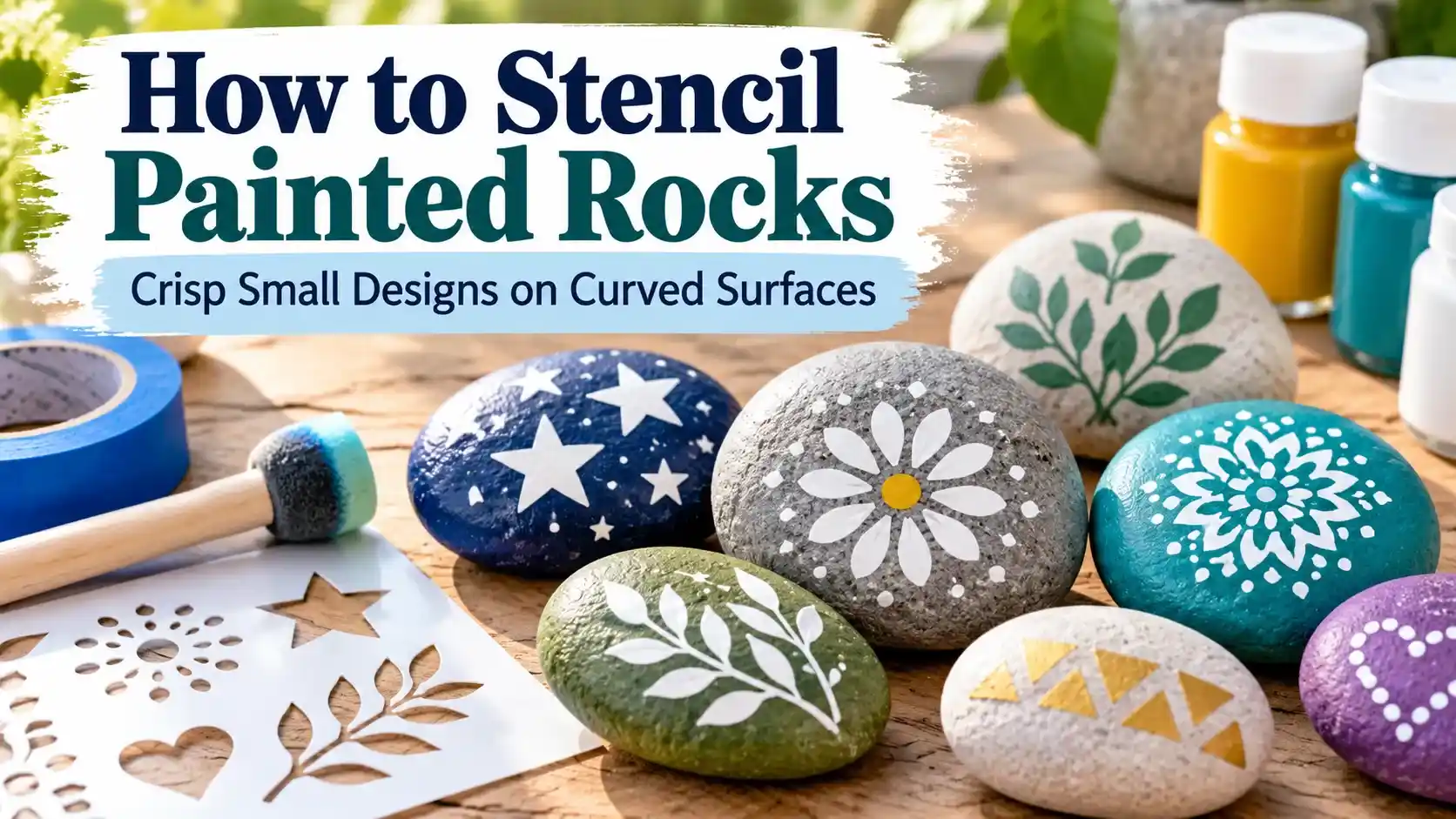
Create crisp stenciled painted rocks by choosing smooth stones, simplifying small designs, using flexible stencils, and applying thin paint layers.
Stencil Usage & Troubleshooting is the practical hub for applying stencils cleanly on different surfaces and fixing the problems that usually cause blurry edges, paint bleed, lifting, weak cuts, or damaged stencil material. The guides here cover fabric, canvas, walls, leather, cork, glass, metal, reusable Mylar, Cricut-cut stencils, and other everyday stencil projects.
If you are starting from an image or design, begin with our free stencil maker. For application problems, see the guides on fixing paint bleed under a stencil and stenciling fabric without bleeding. If the problem happens before painting, our Cricut stencil cutting fixes explain common blade, material, pressure, and design issues.
Surface choice matters too. Different materials need different preparation, paint loading, adhesive pressure, and removal technique. Use the stencil materials guide when choosing Mylar, vinyl, paper, acetate, or another stencil material. After a project, follow the reusable Mylar cleaning and storage guide to help preserve edges and keep future applications consistent.
Browse the latest guides below by the surface or problem you are working on. Each article focuses on practical preparation, controlled application, realistic troubleshooting, and steps that help produce cleaner stencil results.
Create crisp stenciled painted rocks by choosing smooth stones, simplifying small designs, using flexible stencils, and applying thin paint layers.
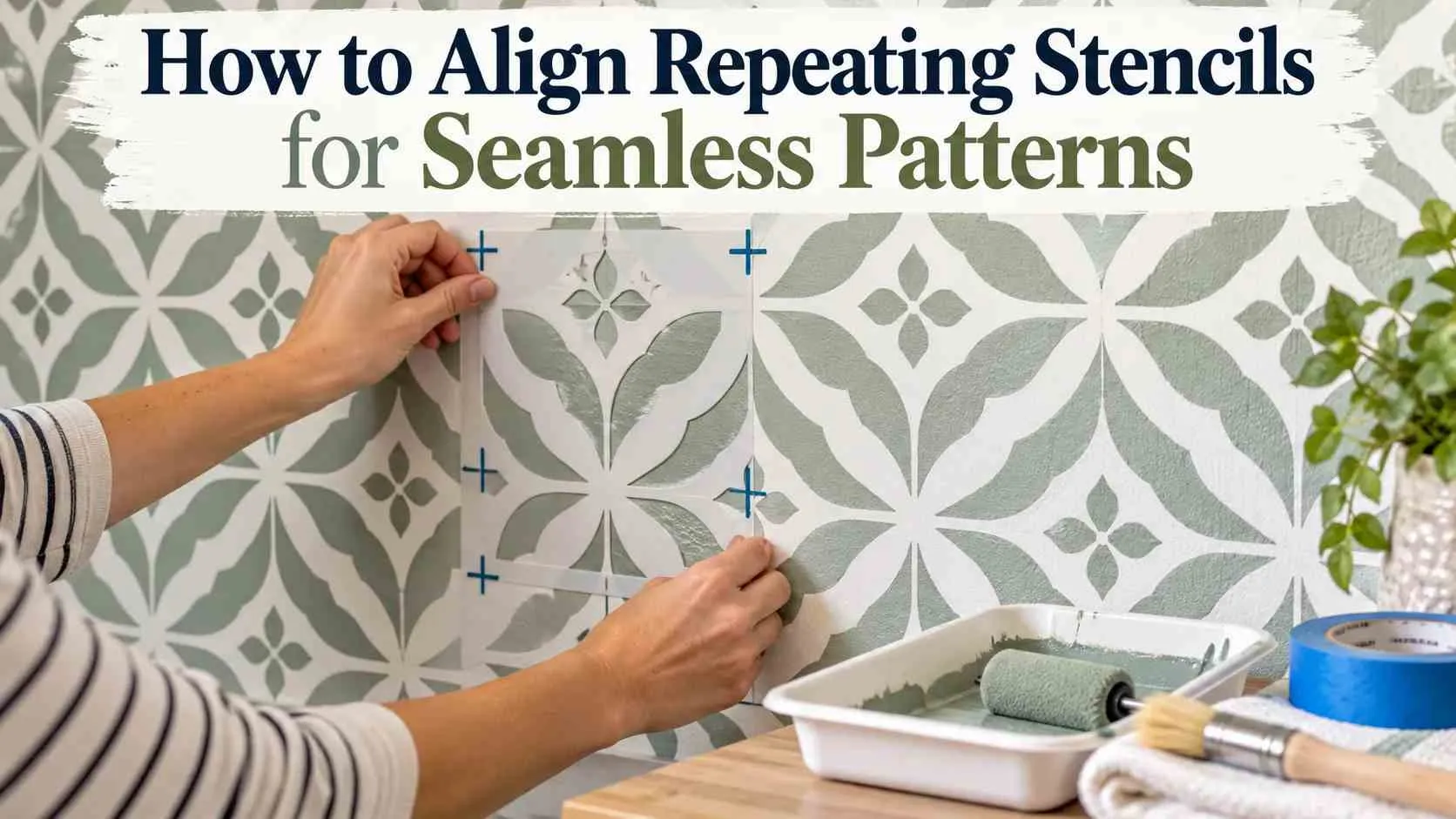
Learn how to align repeating stencils, control spacing, use registration marks, handle edges, and build seamless stencil patterns without visible joins.
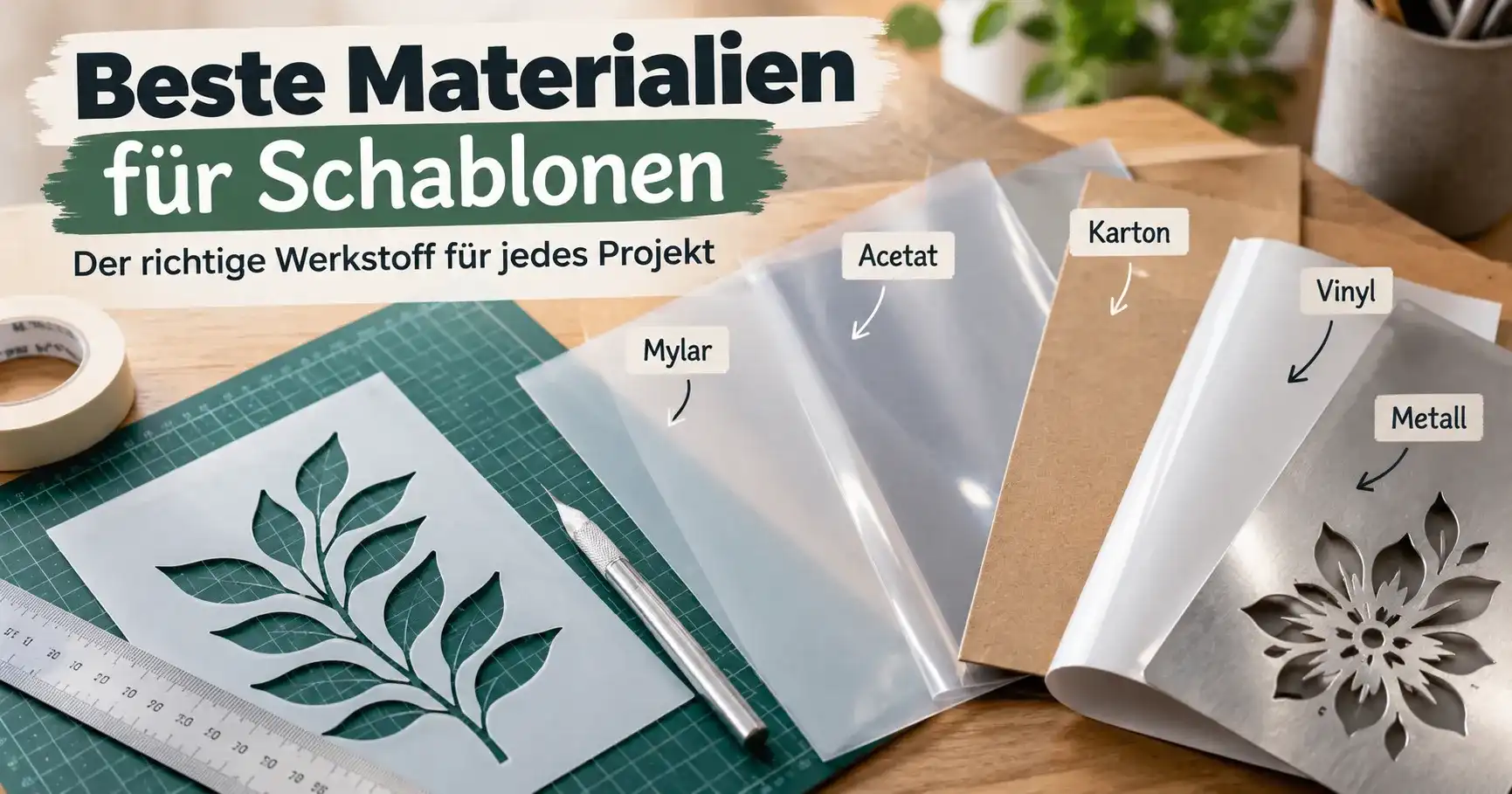
Das richtige Material entscheidet darüber, ob eine Schablone sauber schneidet, beim Malen stabil bleibt und mehrfach verwendet werden kann. Dünne Folien sind flexibel und leicht zu schneiden, dickere Materialien sind robuster, können aber schwerer zu bearbeiten sein. Dieser Leitfaden zeigt, welches Schablonenmaterial für unterschiedliche Projekte sinnvoll ist. Welches Material eignet sich am besten für Schablonen? … Read more
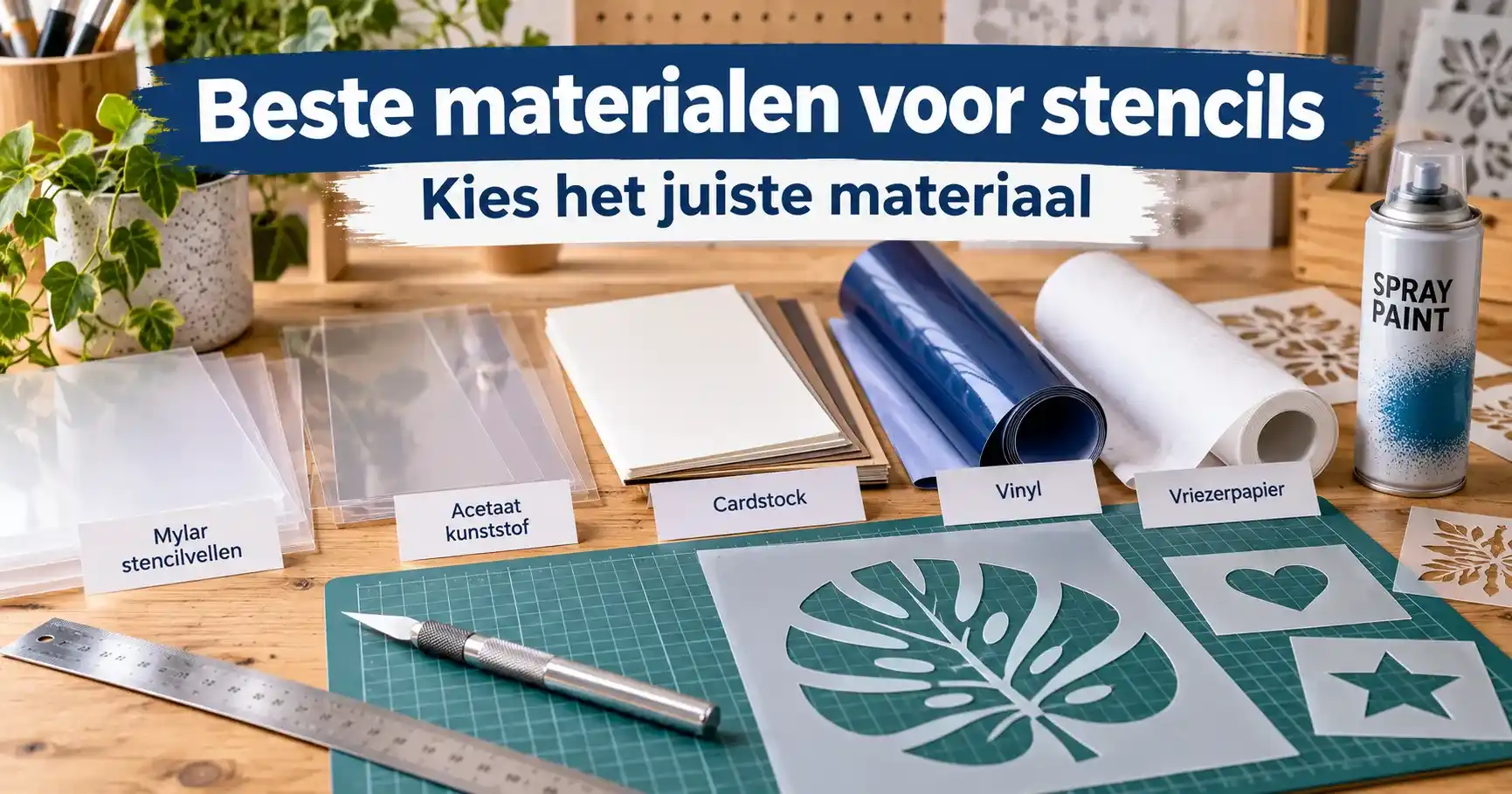
Het juiste stencilmateriaal bepaalt hoe gemakkelijk je ontwerp te snijden is, hoe strak de verf randen blijven en hoe vaak je het stencil kunt hergebruiken. Dun materiaal is flexibel en makkelijk te snijden, terwijl dikker materiaal meestal langer meegaat maar meer snijkracht vraagt. Wat is het beste materiaal voor stencils? Voor veel herbruikbare hobby- en … Read more
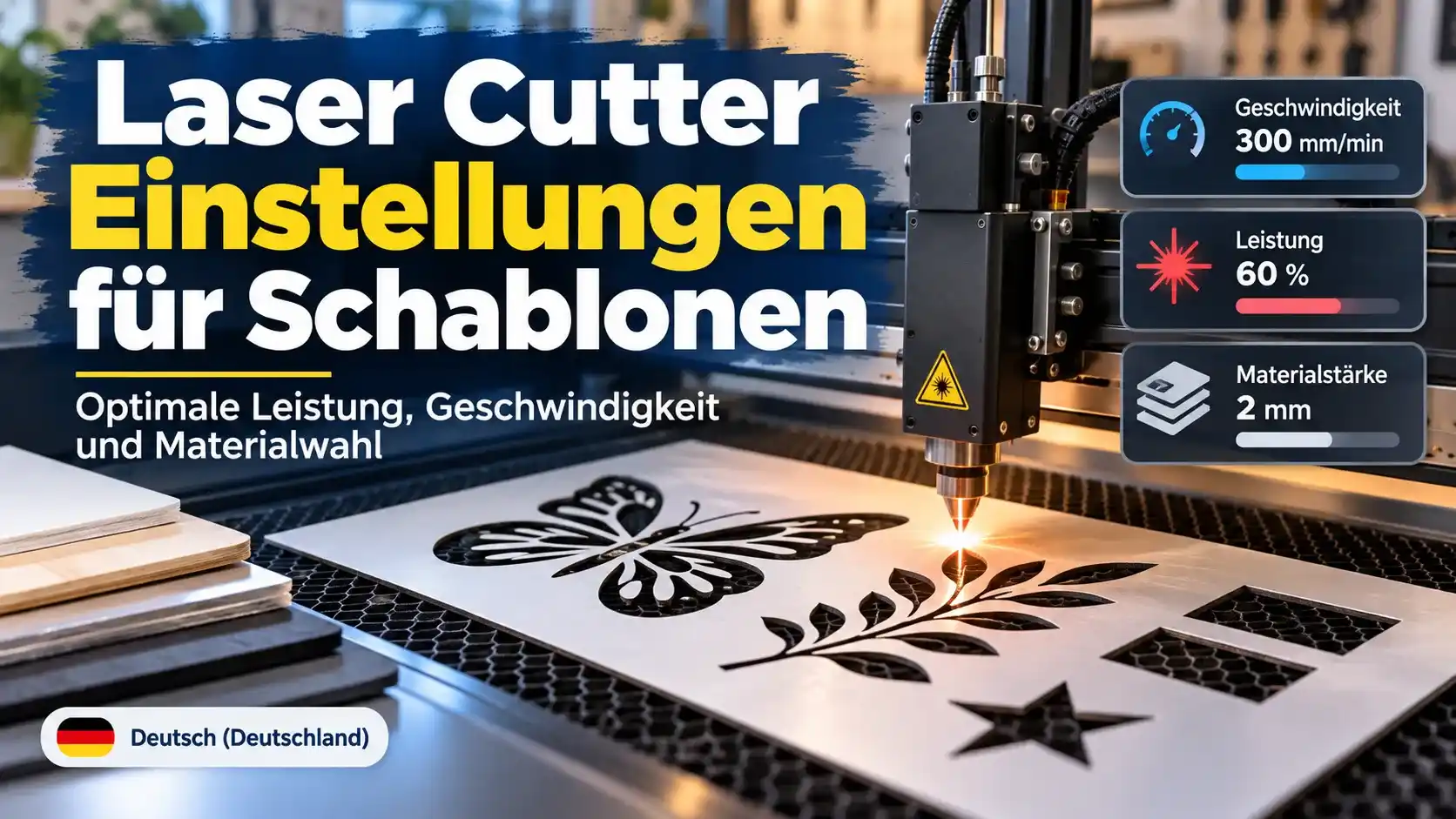
Saubere Laserschablonen entstehen nicht durch eine einzige universelle Einstellung. Leistung, Geschwindigkeit, Fokus, Materialstärke und Anzahl der Durchgänge müssen zusammenpassen. Zu viel Hitze kann Kanten verbrennen oder dünne Folien verformen, während zu wenig Energie unvollständige Schnitte erzeugt. Warum Laser-Einstellungen bei Schablonen wichtig sind Eine gute Schablone braucht glatte Kanten, stabile Verbindungen und genügend Material um feine … Read more