How to Stencil With Watercolor Without Losing the Shape
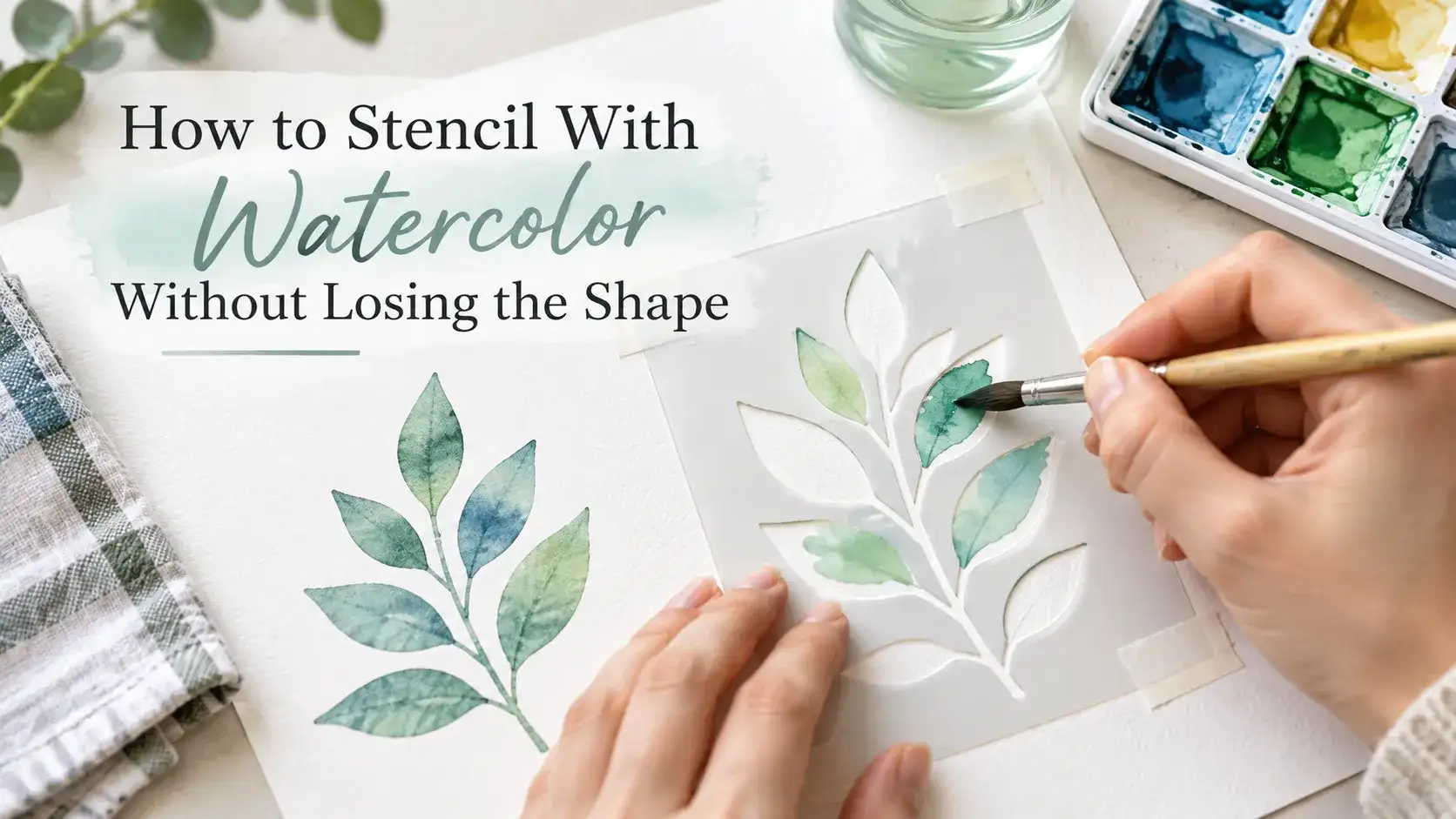
Stencil with watercolor using controlled brush moisture, suitable paper, simple shapes, drying intervals, and masking alternatives for more defined edges.
Stencil Usage & Troubleshooting is the practical hub for applying stencils cleanly on different surfaces and fixing the problems that usually cause blurry edges, paint bleed, lifting, weak cuts, or damaged stencil material. The guides here cover fabric, canvas, walls, leather, cork, glass, metal, reusable Mylar, Cricut-cut stencils, and other everyday stencil projects.
If you are starting from an image or design, begin with our free stencil maker. For application problems, see the guides on fixing paint bleed under a stencil and stenciling fabric without bleeding. If the problem happens before painting, our Cricut stencil cutting fixes explain common blade, material, pressure, and design issues.
Surface choice matters too. Different materials need different preparation, paint loading, adhesive pressure, and removal technique. Use the stencil materials guide when choosing Mylar, vinyl, paper, acetate, or another stencil material. After a project, follow the reusable Mylar cleaning and storage guide to help preserve edges and keep future applications consistent.
Browse the latest guides below by the surface or problem you are working on. Each article focuses on practical preparation, controlled application, realistic troubleshooting, and steps that help produce cleaner stencil results.
Stencil with watercolor using controlled brush moisture, suitable paper, simple shapes, drying intervals, and masking alternatives for more defined edges.
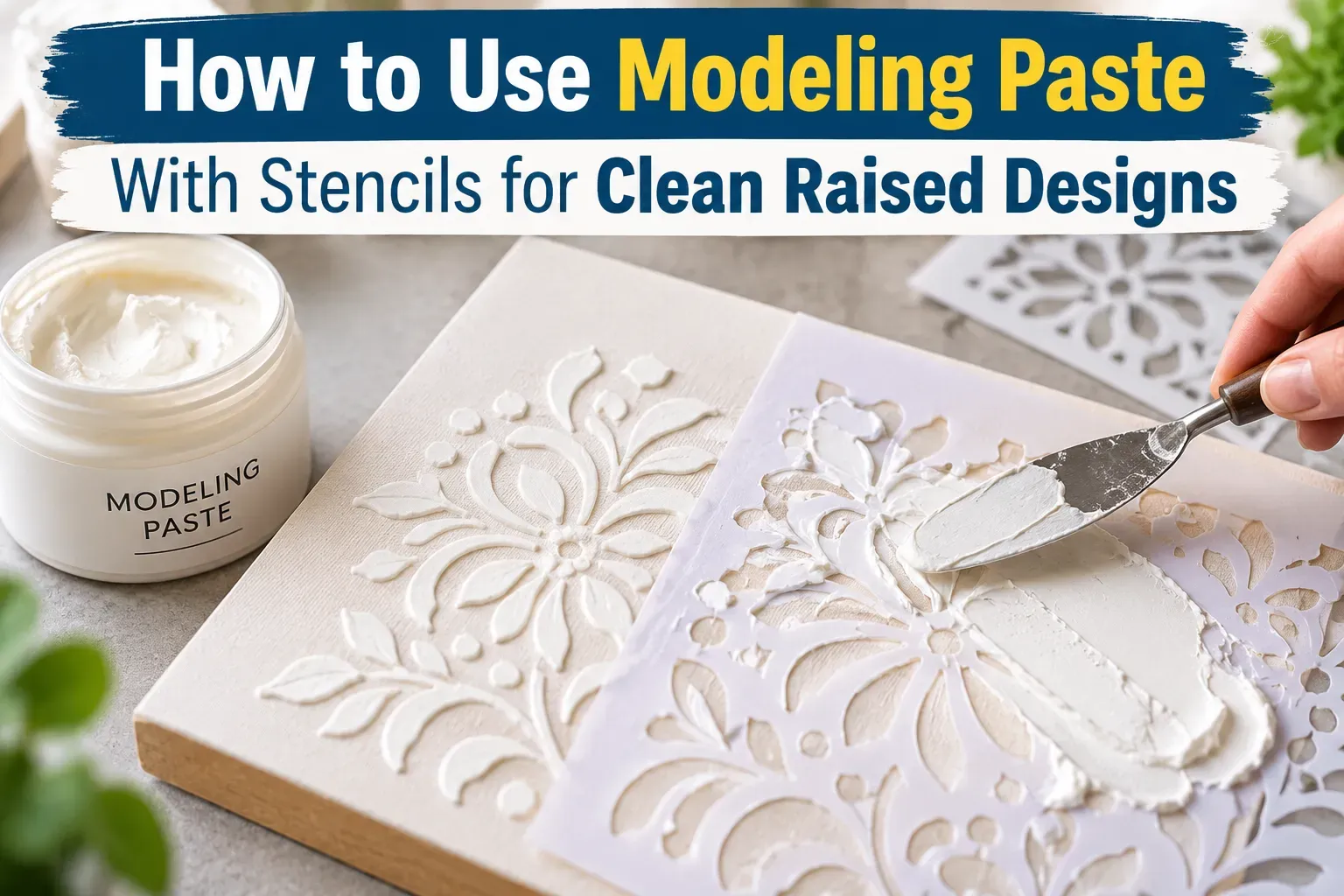
Use modeling paste with stencils to create raised designs through suitable supports, controlled thickness, careful lifting, patient drying, and cleanup.

Stencil cardboard signs with less warping using suitable board, tested preparation, light paint applications, gentle stencil removal, and controlled drying.
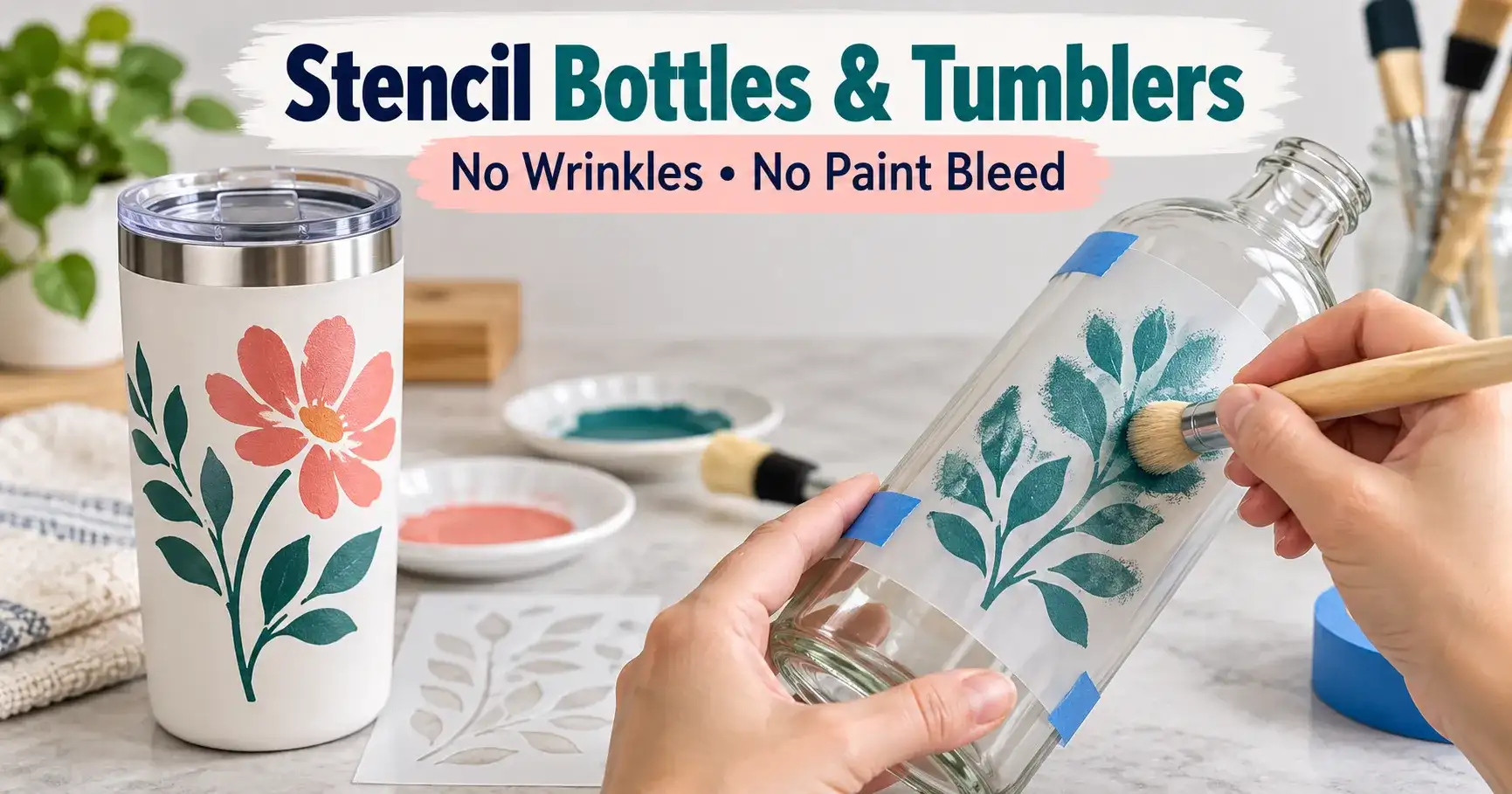
Apply vinyl or flexible stencils to bottles and tumblers without wrinkles, bubbles, lifting edges, distorted lettering, or paint bleed.

Prevent paint lifting when removing vinyl stencils by controlling base-coat cure, stencil tack, paint thickness, removal timing, peel angle, and edge scoring.