How to Stencil on Burlap Bags Without Blurry Letters

Learn how to stencil burlap bags with readable letters, controlled paint, backing, careful spacing, and practical fixes for fuzzy edges.
Stencil Usage & Troubleshooting is the practical hub for applying stencils cleanly on different surfaces and fixing the problems that usually cause blurry edges, paint bleed, lifting, weak cuts, or damaged stencil material. The guides here cover fabric, canvas, walls, leather, cork, glass, metal, reusable Mylar, Cricut-cut stencils, and other everyday stencil projects.
If you are starting from an image or design, begin with our free stencil maker. For application problems, see the guides on fixing paint bleed under a stencil and stenciling fabric without bleeding. If the problem happens before painting, our Cricut stencil cutting fixes explain common blade, material, pressure, and design issues.
Surface choice matters too. Different materials need different preparation, paint loading, adhesive pressure, and removal technique. Use the stencil materials guide when choosing Mylar, vinyl, paper, acetate, or another stencil material. After a project, follow the reusable Mylar cleaning and storage guide to help preserve edges and keep future applications consistent.
Browse the latest guides below by the surface or problem you are working on. Each article focuses on practical preparation, controlled application, realistic troubleshooting, and steps that help produce cleaner stencil results.
Learn how to stencil burlap bags with readable letters, controlled paint, backing, careful spacing, and practical fixes for fuzzy edges.
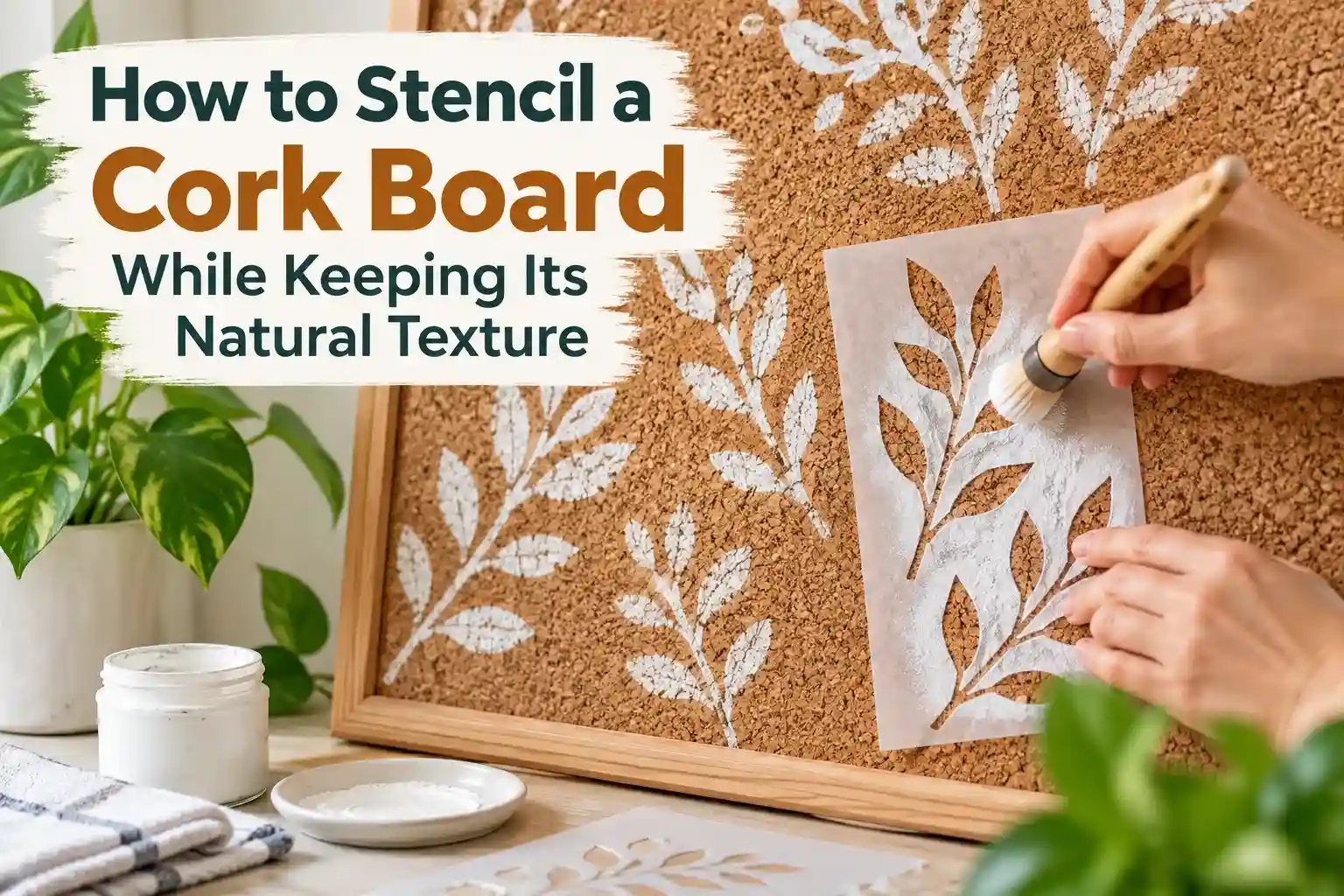
Stencil a cork board with simple patterns, light paint layers, secure placement, and preparation while keeping your pinboard surface usable.
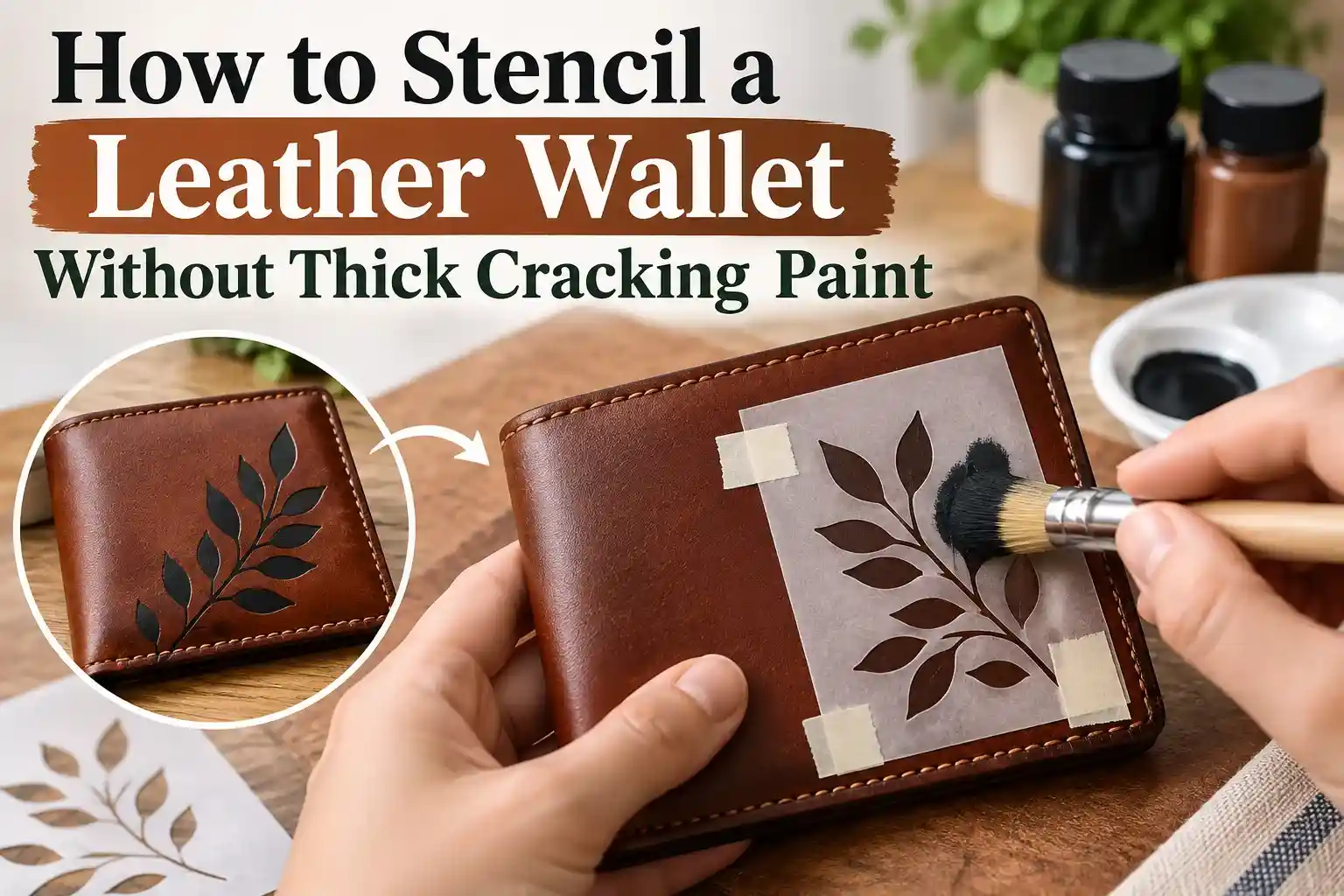
Learn to stencil a leather wallet using suitable paint, careful preparation, thin coats, design placement, and manufacturer guided curing times.
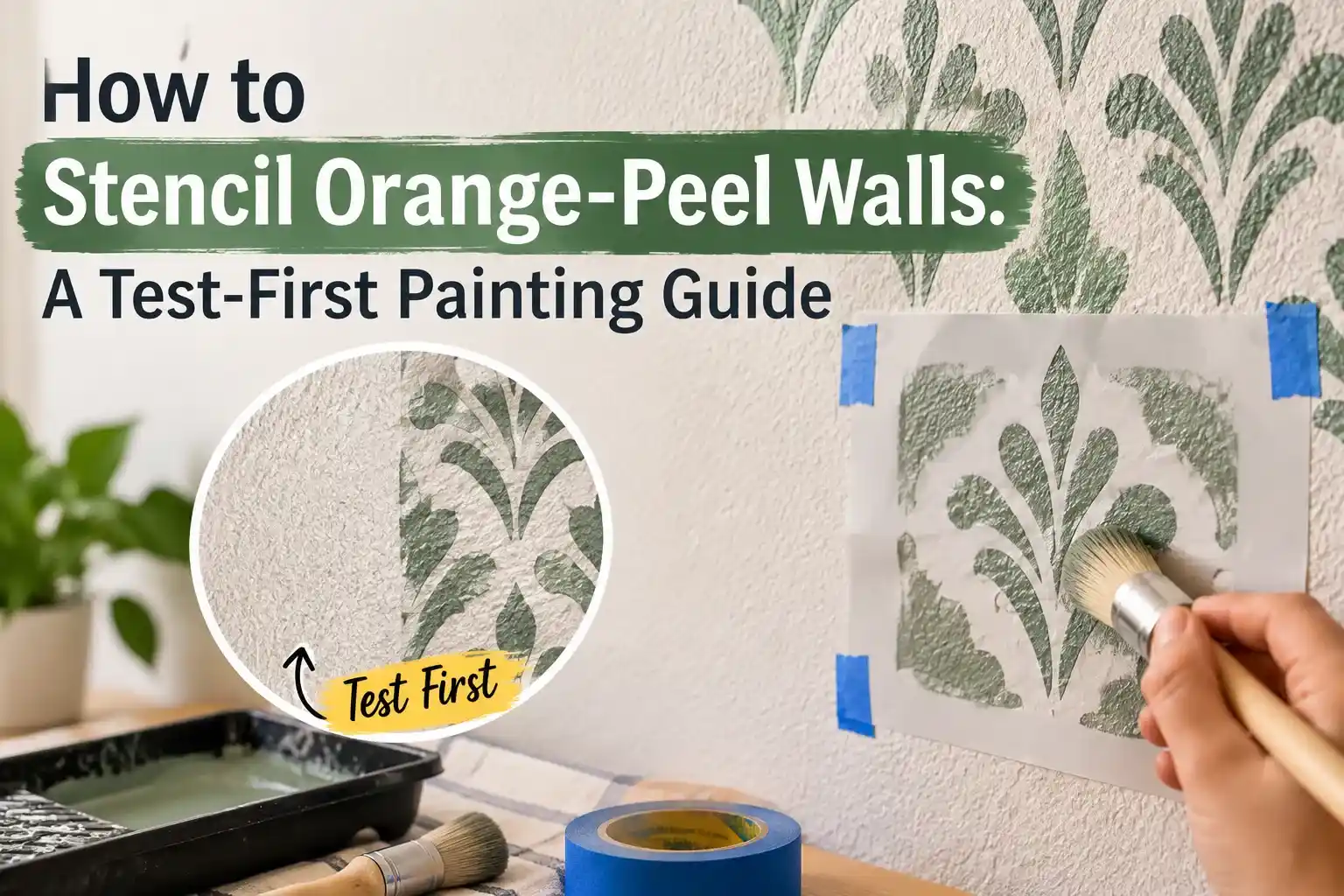
Learn how to stencil orange peel walls with a test patch, suitable patterns, light paint loading, placement, and realistic expectations.

Stencil stretched canvas with firm backing, suitable surface preparation, stencil placement, and thin acrylic layers for clearer artwork without sagging.